



Traceability Lot Codes Traceability lot codes identify the exact batch a product came from. During a recall, they let you pull only the affected lots instead of an entire production run, cut trace time from hours to minutes, and satisfy FSMA 204, which requires records within 24 hours of an FDA request. Key Takeaways Lot-level […]

EDI Readiness Checks Before the holiday rush overwhelms your systems, suppliers must verify their EDI infrastructure can handle peak transaction volumes without costly failures or partner chargebacks. 10 checks cover system health, partner alignment, data accuracy, testing, monitoring, security, contingency planning, team training, final readiness assessment, and post-season review. Key Takeaways System health verification is […]
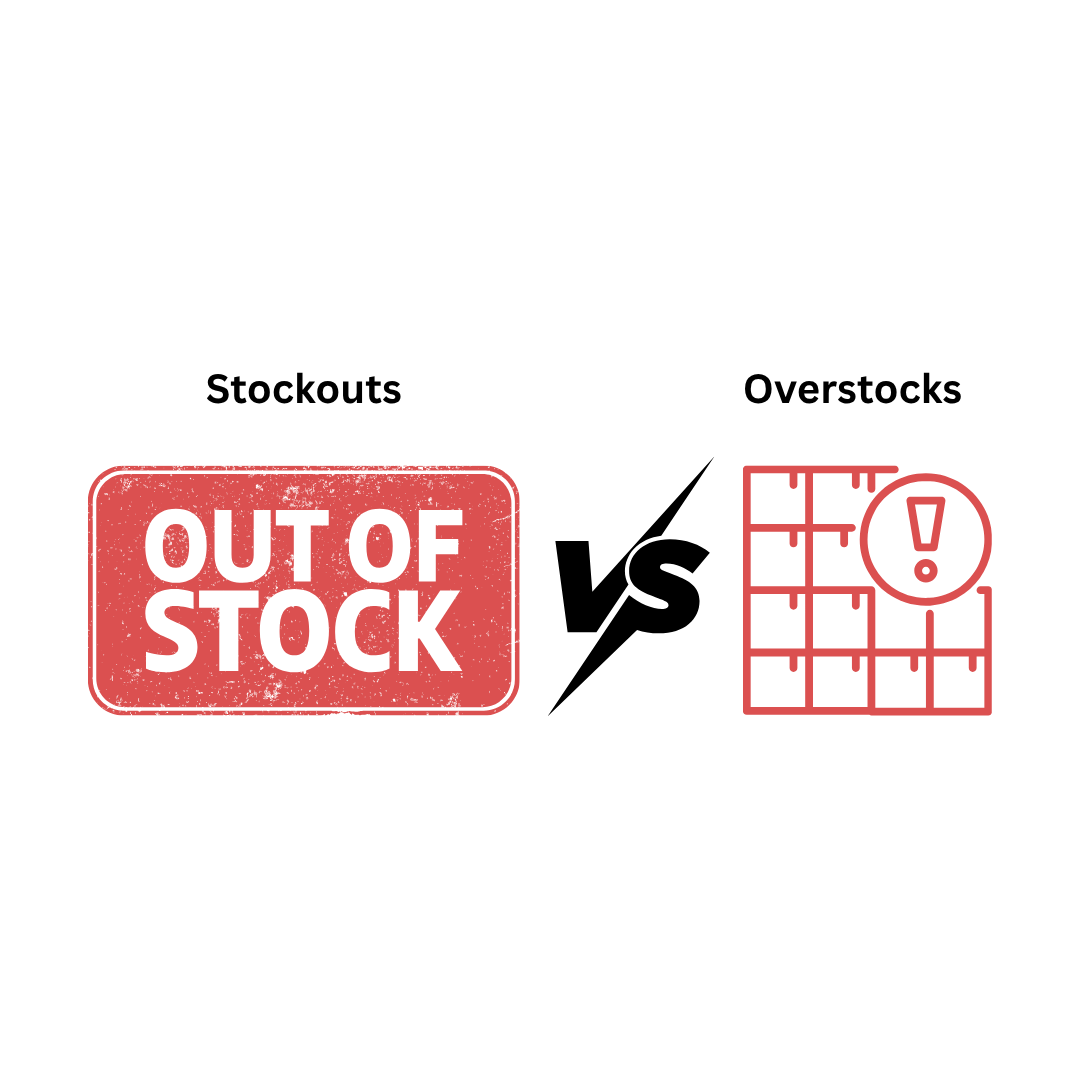
Stockouts and Overstocks EDI prevents stockouts and overstocks by automating the exchange of inventory, order, and sales data between trading partners in near real time. Standardized transactions such as EDI 846, 852, 850, and 856 keep stock counts, demand signals, and shipment status synchronized across your ERP, WMS, and every sales channel, so replenishment runs […]

Supply Chain Technology Trends The dominant supply chain technology trends for 2026 center on AI that acts, not just advises. Gartner groups its top eight trends into three themes: autonomy and agency, specialization and intelligence, and trust and governance. Standouts include agentic AI, physical AI, polyfunctional robots, intelligent simulation, and decision governance. ASCM adds the […]
Healthcare Supply Chain Issues Supply chain issues in healthcare are the shortages, overspending, and data gaps that keep the right product from reaching the point of care. The main causes include single-source suppliers, manual inventory counts, and systems that don’t share data. Standardized product data (GS1, GDSN), EDI ordering, and real-time inventory visibility target each […]