


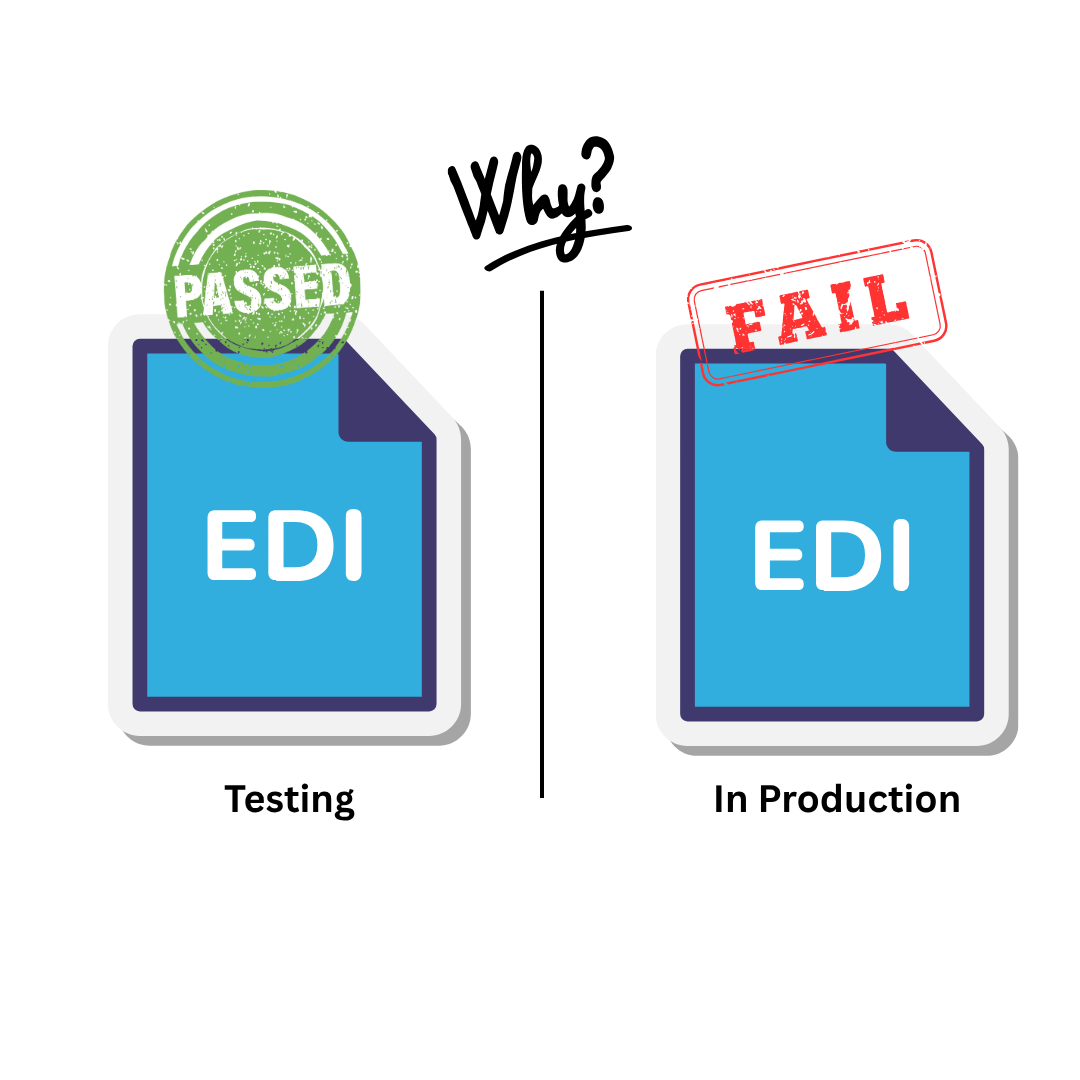
EDI Maps: Testing vs Production Data EDI mapping passes tests because they check syntax and structure against clean, static sample files. Production fails because live trading partner data brings partner-specific rules, partial shipments, price changes, backorders, and rounding differences that test files never simulate. Closing the gap means testing real historical data, full transaction chains, […]
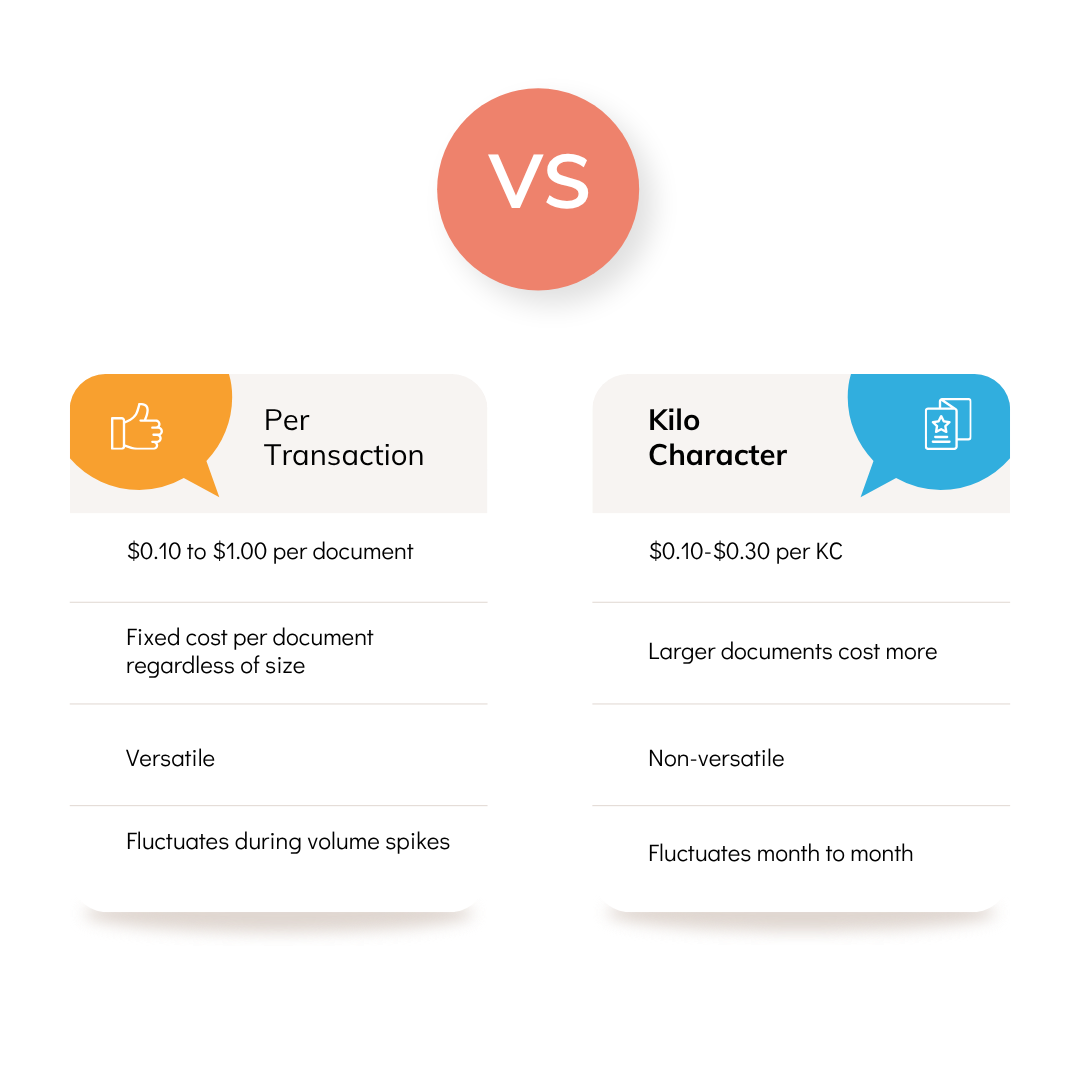
Per-Transaction vs Kilocharacter Neither model wins outright. Per-transaction pricing ($0.10-$1.00 per document) suits pilot projects with light, unpredictable volume. Kilocharacter pricing ($0.10-$0.30 per KC) can work for a handful of stable, low-activity partners Key Takeaways Per-transaction pricing ($0.10-$1.00 per document) works best for pilot projects with unpredictable, minimal volumes, but costs spike dramatically during growth, […]

Traceability Lot Codes Traceability lot codes identify the exact batch a product came from. During a recall, they let you pull only the affected lots instead of an entire production run, cut trace time from hours to minutes, and satisfy FSMA 204, which requires records within 24 hours of an FDA request. Key Takeaways Lot-level […]

EDI Readiness Checks Before the holiday rush overwhelms your systems, suppliers must verify their EDI infrastructure can handle peak transaction volumes without costly failures or partner chargebacks. 10 checks cover system health, partner alignment, data accuracy, testing, monitoring, security, contingency planning, team training, final readiness assessment, and post-season review. Key Takeaways System health verification is […]
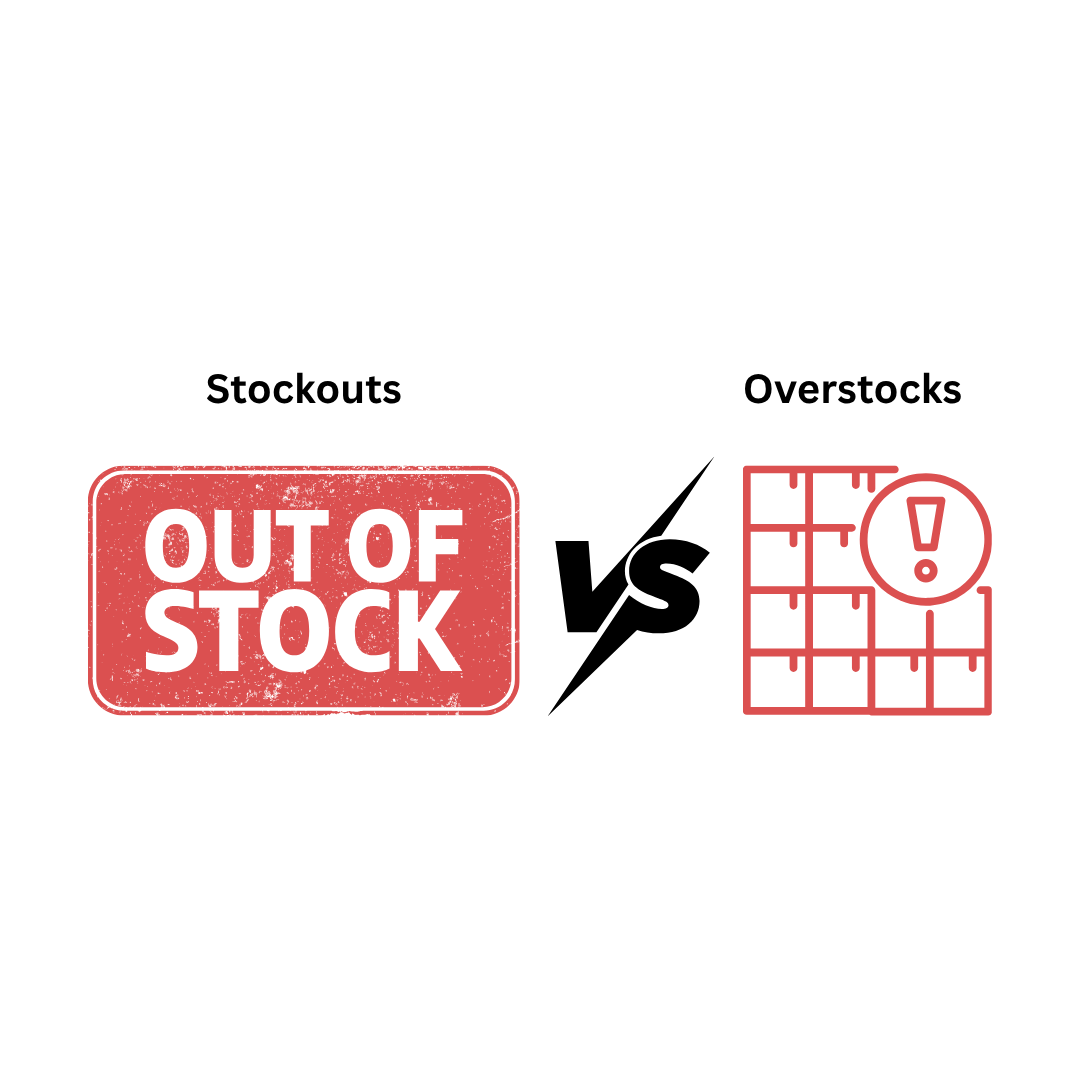
Stockouts and Overstocks EDI prevents stockouts and overstocks by automating the exchange of inventory, order, and sales data between trading partners in near real time. Standardized transactions such as EDI 846, 852, 850, and 856 keep stock counts, demand signals, and shipment status synchronized across your ERP, WMS, and every sales channel, so replenishment runs […]