


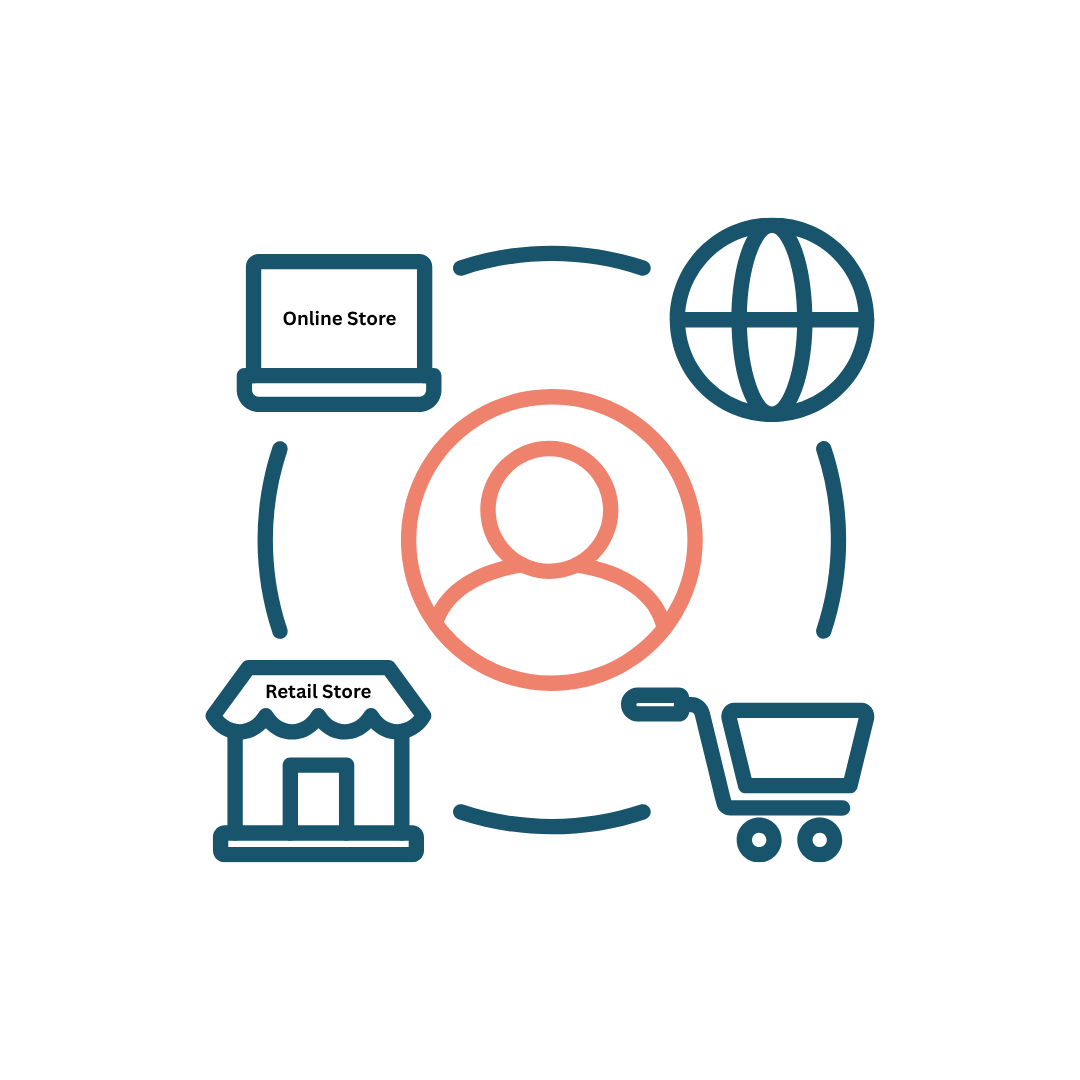
EDI Omnichannel Capability Electronic Data Interchange (EDI) builds omnichannel capability by standardizing how inventory, pricing, and order data move between every sales channel, from POS to e-commerce to marketplaces, in real time. Instead of each platform running on its own disconnected system, EDI gives retailers one accurate source of truth, which cuts overselling, reduces inventory […]
EDI Data Accuracy Importance Electronic Data Interchange (EDI) boosts data accuracy by replacing manual data entry with automated, standardized document exchange, cutting error rates from roughly 30% to below 1%. That accuracy gain translates directly into savings: a manual purchase order costs $30 or more to process, while an EDI transaction costs less than $1. […]

The Role of PIM and GDSN in Digital Commerce GDSN and PIM solve two different halves of the same problem. PIM (Product Information Management) centralizes, enriches, and manages product data inside your business. GDSN (Global Data Synchronization Network) synchronizes that same data with trading partners through GS1-certified data pools, a network that now carries more […]
Healthcare Supply Chain Issues Supply chain issues in healthcare are the shortages, overspending, and data gaps that keep the right product from reaching the point of care. The main causes include single-source suppliers, manual inventory counts, and systems that don’t share data. Standardized product data (GS1, GDSN), EDI ordering, and real-time inventory visibility target each […]
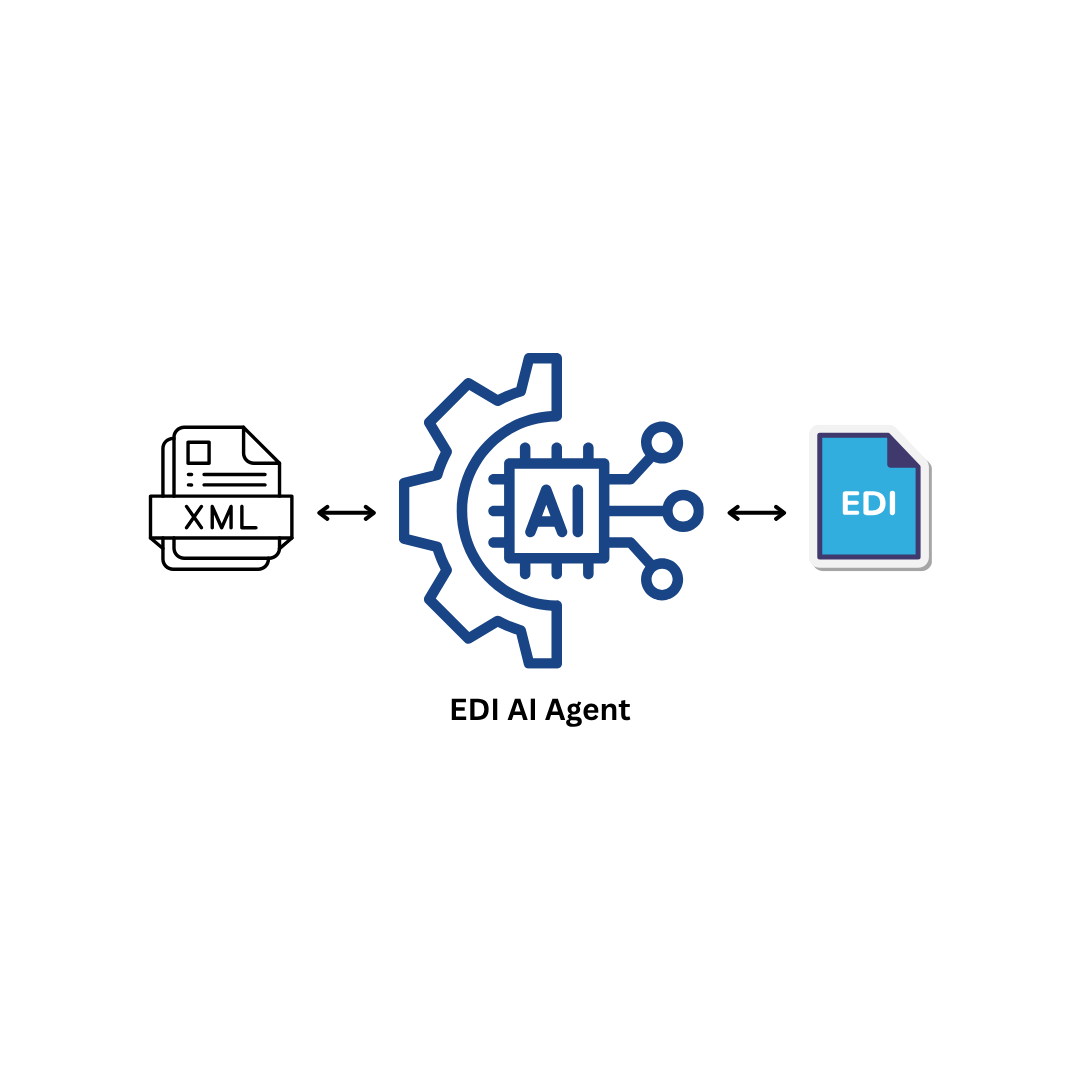
Introduction to EDI AI Agents Quick Answer AI agents improve EDI document validation by autonomously checking syntax, structure, and trading partner rules in real time, before a transaction is transmitted. Instead of waiting for a downstream rejection or chargeback, the agent flags missing segments, anomalous values, and compliance gaps at the point of creation, cutting […]