


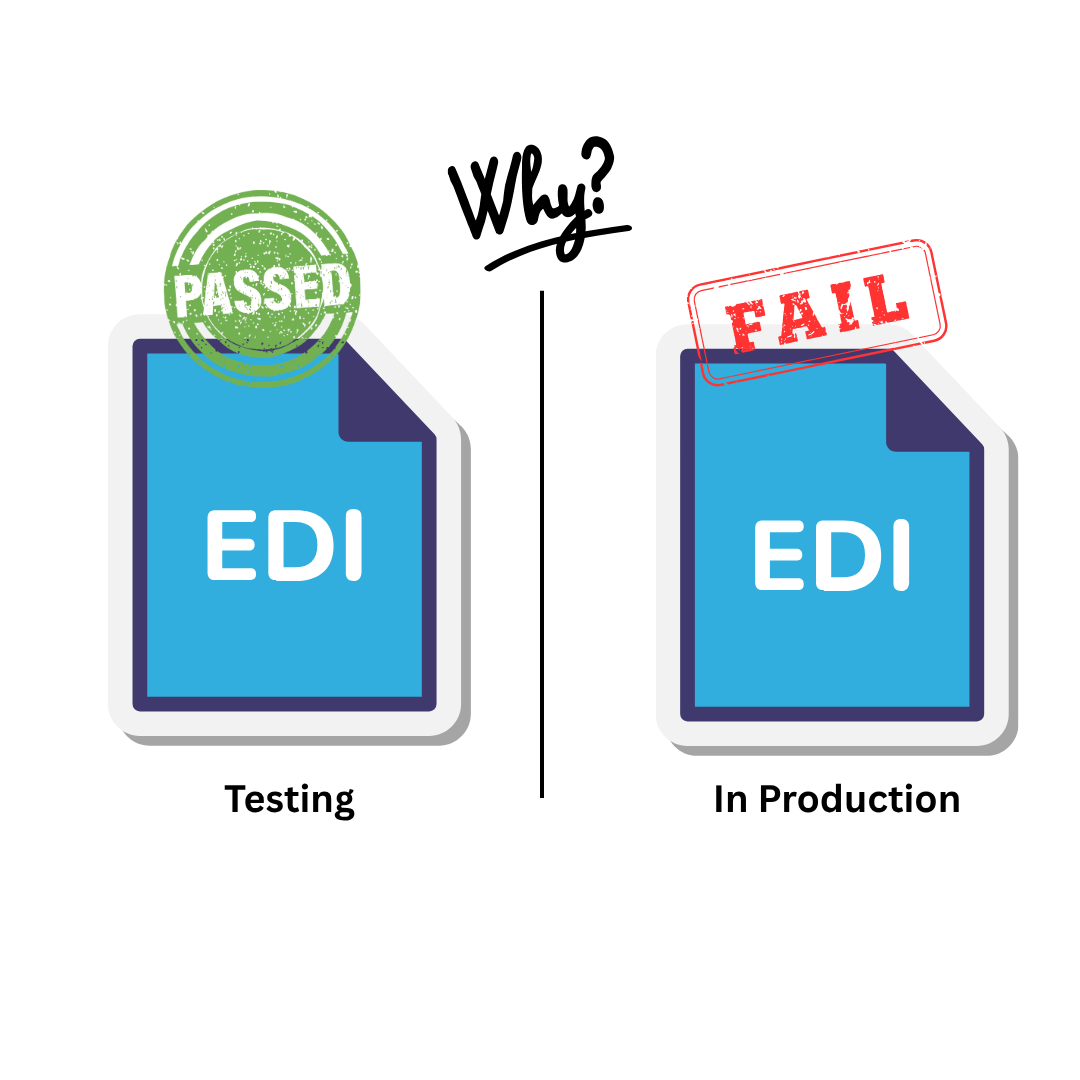
EDI Maps: Testing vs Production Data EDI mapping passes tests because they check syntax and structure against clean, static sample files. Production fails because live trading partner data brings partner-specific rules, partial shipments, price changes, backorders, and rounding differences that test files never simulate. Closing the gap means testing real historical data, full transaction chains, […]
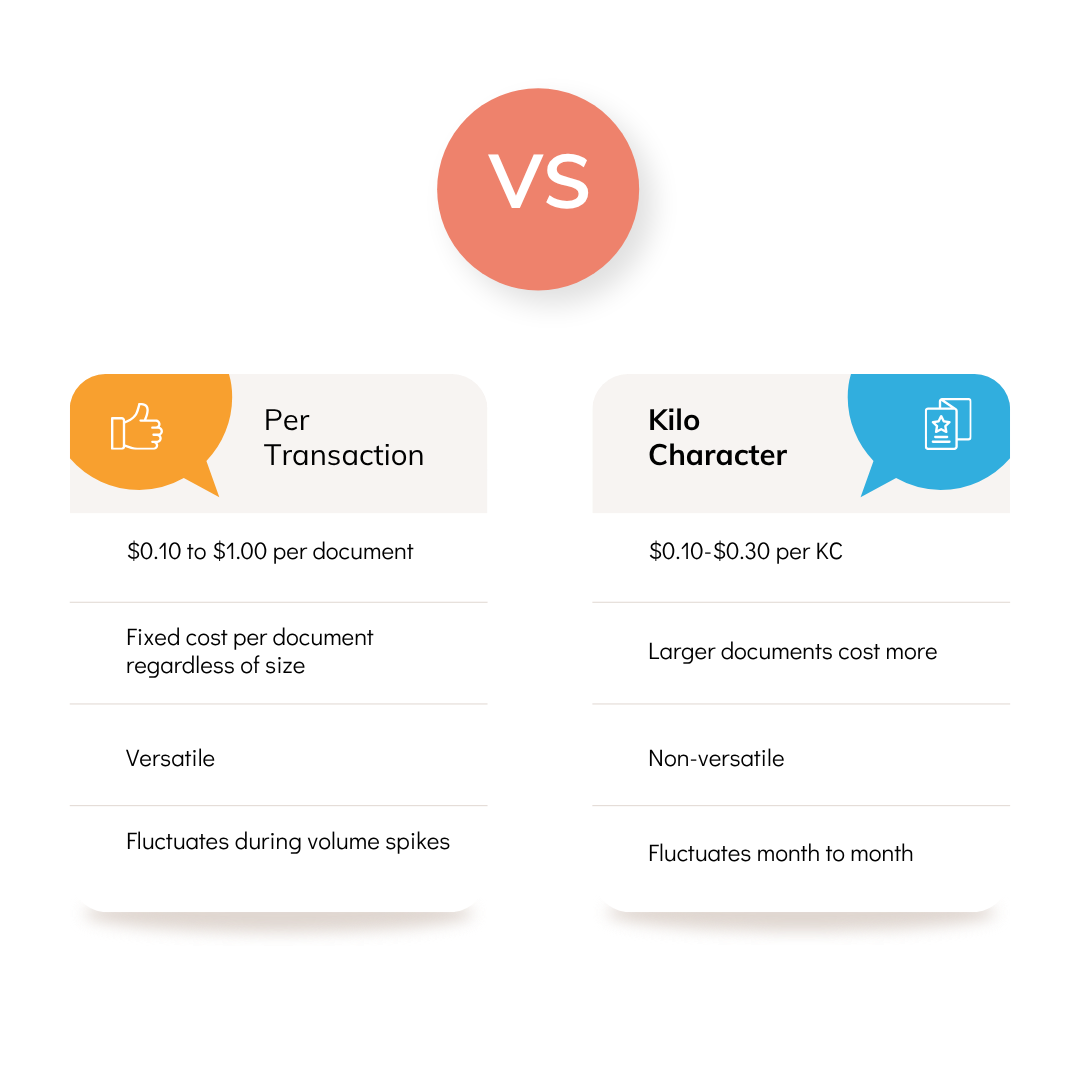
Per-Transaction vs Kilocharacter Neither model wins outright. Per-transaction pricing ($0.10-$1.00 per document) suits pilot projects with light, unpredictable volume. Kilocharacter pricing ($0.10-$0.30 per KC) can work for a handful of stable, low-activity partners Key Takeaways Per-transaction pricing ($0.10-$1.00 per document) works best for pilot projects with unpredictable, minimal volumes, but costs spike dramatically during growth, […]

Item Data Management Suppliers must validate 13 data points before publishing item data: master data accuracy, product identity (GTINs, SKUs, MPNs), category and taxonomy, technical specifications, units of measure, pricing, digital assets, compliance documents, inventory availability, channel requirements, supplier attribution, data completeness, and approval workflows. Skipping any one step risks listing rejections, chargebacks, and lost […]

Traceability Lot Codes Traceability lot codes identify the exact batch a product came from. During a recall, they let you pull only the affected lots instead of an entire production run, cut trace time from hours to minutes, and satisfy FSMA 204, which requires records within 24 hours of an FDA request. Key Takeaways Lot-level […]
Nutrition and Allergen Attributes GDSN requires food and beverage suppliers to report the nine major allergens (milk, eggs, fish, crustacean shellfish, tree nuts, wheat, peanuts, soybeans, and sesame) using the Allergen Type Code attribute paired with a Level of Containment Code: Contains, May Contain, Free From, Not Intentionally or Inherently Included, or Undeclared. Every allergen […]